
Introduction – The Unbearable Stench of Silence (and Worse)
You know the smell. It hits you before you even see the door. That is, if the door is even unlocked.
New York’s MTA restrooms are legendary. They are legendary for all the wrong reasons. They are a visceral symbol of failure.
We are not talking about a little dust in the corner. Or talking about missing seats. We are talking about broken locks and about a complete lack of basic human necessities like soap and toilet paper.
It is disgusting. But the smell is not the real problem. The graffiti is not the real problem.
The real problem is silence.
These conditions exist because the people running the show are not listening. They think they arebecause of their annual surveys. However, they have their clogged hotlines. They have their dusty suggestion boxes and are deluding themselves.
This isn’t about plumbing. It’s about a broken feedback loop that ignores the people paying the bills.
Relying on “existing communication channels” is a lie. It is a façade. It perpetuates neglect.
If you run a transit agency and you think your current feedback system works, look at your bathrooms. They are the scoreboard. And right now, you are losing.
True transformation does not come from a committee meeting. It does not come from a six-month study. It comes from disrupting the way you listen.
You need **public transit feedback** that is real-time. It must be accessible and brutally honest.
Anything less is just managing the decline.
The Revolting Reality: More Than Just a Dirty Toilet
Let’s look at the facts. They are ugly.
A recent audit tore the lid off the MTA’s failure. The Inspector General’s Office looked at 32 of the system’s 125 public restrooms.
Do you know what they found? They found “bathroom blight.”
85% of surveyed bathrooms lacked at least one basic amenity, including working locks.
Think about that. 85 percent. If you ran a restaurant with those numbers, you would be shut down by lunch.
They found that 23 of the 27 open bathrooms were missing essentials. No toilet paper. Or soap. Not even garbage cans.
It gets worse. 10 out of 37 stalls were missing seats.
You can read the full horror story here: MTA subway bathrooms in the crapper with most missing toilet seats, paper and soap: scathing report.
This impacts riders. It destroys dignity and creates health hazards.
It tells every single person who walks through that turnstile that you do not care about them. You do not respect them – just want their fare.
A dirty bathroom is a “canary in the coal mine.” If you can’t fix a toilet seat, riders assume you can’t fix the tracks either.
This is a systemic failure. It is an operational blind spot the size of a train car.
If you cannot manage basic hygiene, what else are you missing? What other safety protocols are slipping through the cracks because “nobody complained”?
The cost of this ignorance is massive. It is not just complaints, but includes reputational damage. It is rider exodus and the decay of civic pride.
Why Your ‘Existing Channels’ Are a Recipe for Disaster
You might be thinking, “But we have a hotline! We have a Twitter account!”
Stop it. Those are not solutions. Those are excuses.
The “existing channels” for **public transit feedback** are a recipe for disaster. They are designed to fail. They are designed to filter out the truth.
Let’s deconstruct the status quo.
- Hotlines & Bureaucracy: Nobody wants to wait on hold for 20 minutes to report a missing soap dispenser. It is a black hole. Complaints go there to die.
- Social Media Shaming: This is reactive chaos. It is unstructured. By the time it hits Twitter, it is already a PR crisis. You are playing defense, not offense.
- Static Suggestion Boxes: These are antiquated. They are unhygienic. They are ignored. They are theater, not feedback.
- Annual Surveys: These are autopsies. They tell you what killed your reputation six months ago. They do not help you fix the problem today.
These methods share one fatal flaw. They ignore the silent majority.
Assuming that “no news is good news.” Silence usually means your customers have given up on you.
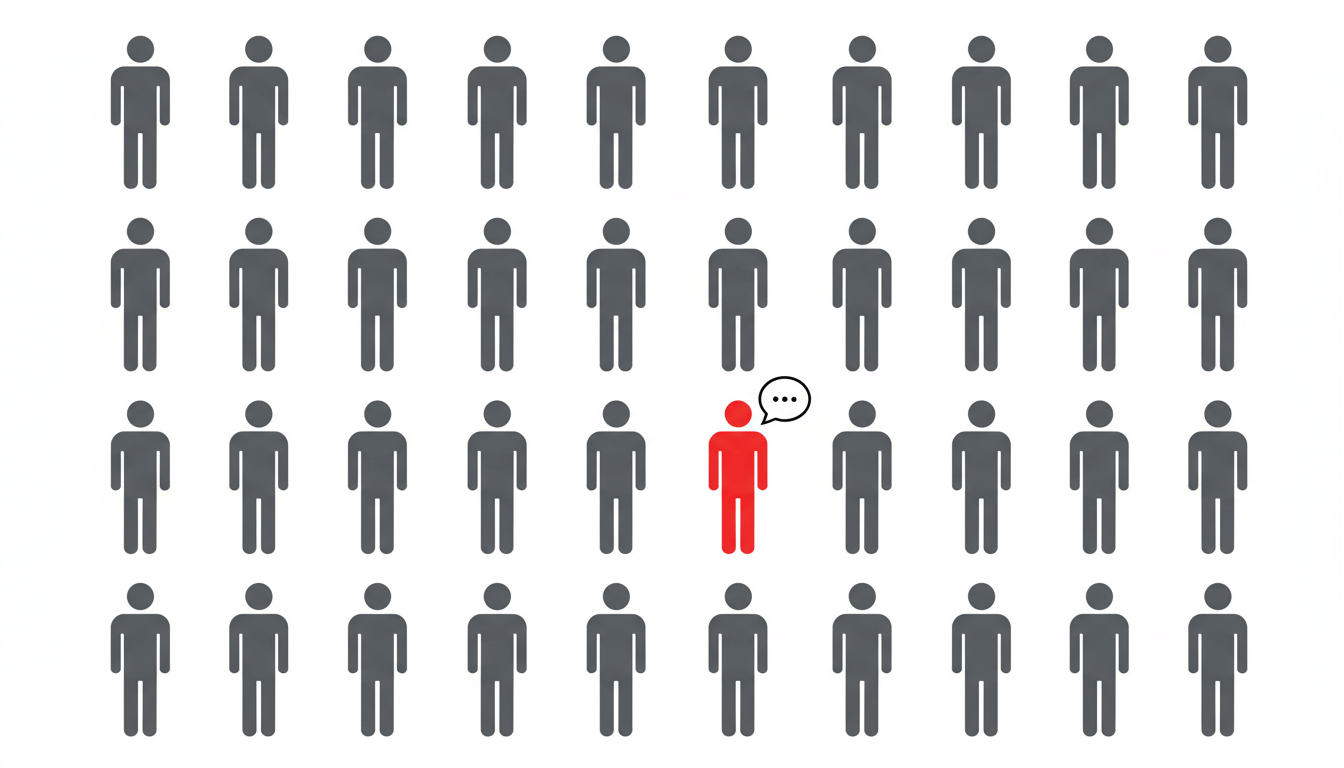
Opiniator’s core insight is simple: 70%+ of people never complain. They suffer in silence. Then just leave. They hold onto that negative perception forever.
Traditional methods only capture the screamers. They capture the outliers. They miss the mass sentiment.
You are making decisions based on 5% of your data. That is why your bathrooms are a blight. That is why your riders hate you.
[VISUAL SUGGESTION: A pie chart showing a massive slice labeled “The Silent Majority (70%)” and a tiny sliver labeled “Formal Complaints.”]
The Disruptive Solution: Real-Time, Anonymous Feedback
The solution is not more forms. It is not a new app that nobody will download.
The solution is a paradigm shift. You need to lower the barrier to zero.
Learn about mobile-first feedback solutions that remove friction completely.
How do you get **public transit feedback** that actually matters? You use the device everyone is already holding.
- Zero Hardware: No kiosks to break or touchscreens to smear with germs.
- No Apps: Nobody wants your transit app just to tell you the toilet is clogged. QR codes and SMS are universal.
- Total Anonymity: This is non-negotiable.
You need honesty – so don’t ask for a name, email, and phone number. People are afraid of retribution. They are afraid of being put on a list.
Understand why anonymous feedback matters for gathering unvarnished truth.
When riders feel safe, they tell you the truth. They become your eyes and ears – your best inspectors.
This feedback must be real-time. It cannot sit in a database for a week. The program needs to alert staff instantly.
If a toilet seat is missing, the maintenance team needs to know *now*. Not next month. Not after the audit report comes out.
From Blight to Bright: How Opiniator Transforms Public Transit Operations
Opiniator is the tool for this job. It is not just softwareis an operational upgrade.
It tackles the bathroom blight head-on.
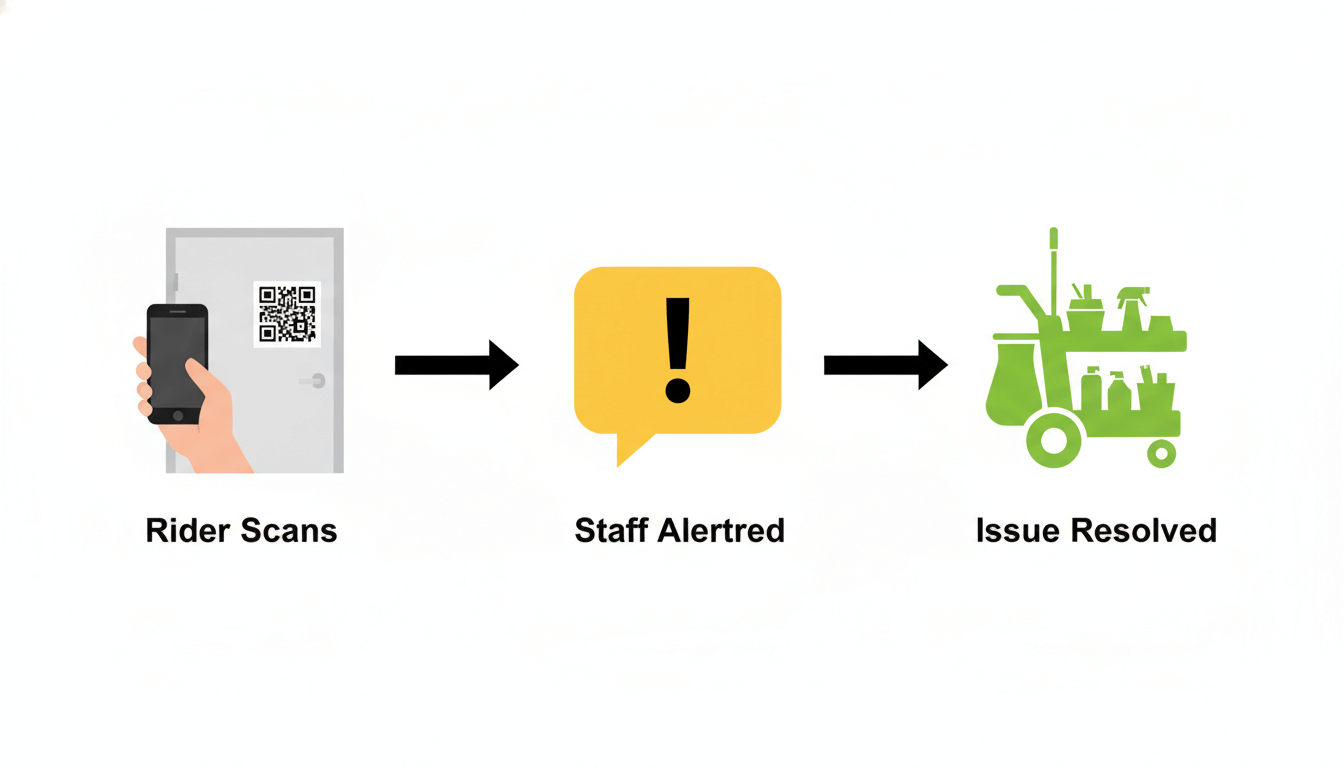
Imagine a rider walks into a stall. No toilet paper. Instead of leaving disgusted, they scan a QR code on the door. Two taps. “No Supplies.” Send.
The janitorial staff gets an alert instantly. They restock the stall. The crisis is averted.
This is how you solve the problem.
- Instant Alerts: Cleanliness, supplies, odors, safety. Staff are notified before the issue becomes a headline.
- Digital Inspections: Throw away the clipboards. Opiniator lets staff log inspections digitally. It creates a paper trail that cannot be faked.
- Operational Intelligence: You move from anecdotes to data. You see trends. You know exactly which station has the plumbing issues at 5:00 PM on Fridays.
Leverage real-time customer insights to allocate resources dynamically based on demand, not a fixed schedule.
This goes beyond bathrooms. It works for the whole system.
| Old Way | Opiniator Way | Result |
|---|---|---|
| Paper Logs | Digital Tracking | Accountability |
| Monthly Reports | Instant SMS Alerts | Fast Fixes |
| Reactive Complaints | Proactive Feedback | Happy Riders |
You can use Digital Comment Cards for any service touchpoint. Station cleanliness. Bus driver behavior. Platform safety.
It empowers your staff and gives them the tools to succeed. It reduces the complaints that land on the Director’s desk.
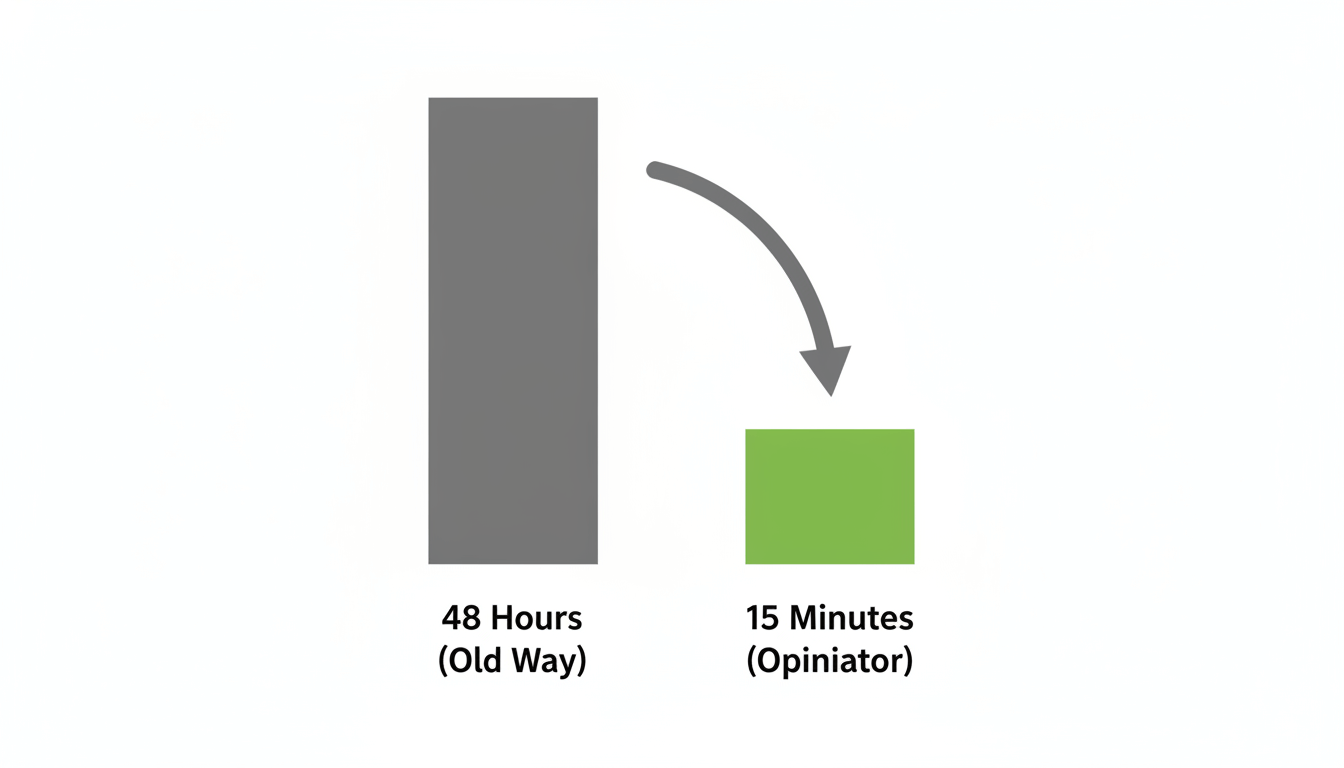
This is what modern operations look like. It is hygienic, efficient and data driven.
The Future of Public Transit Isn’t About New Trains, It’s About Listening
Agencies love to spend billions on new trains. They love to cut ribbons on new extensions.
But they fail at the basics.
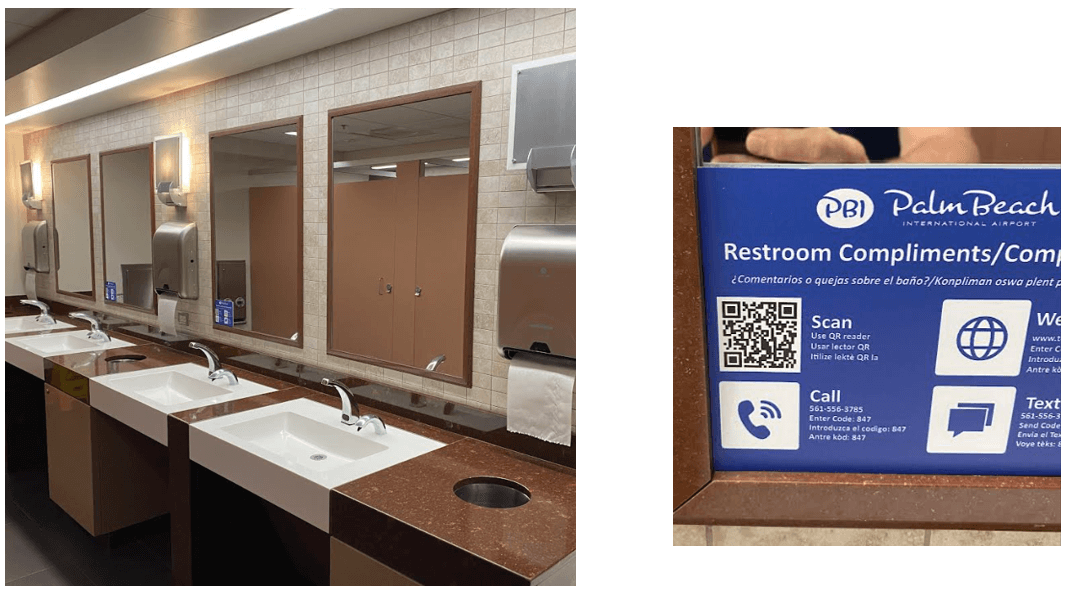
The future of public transit is not just about shiny infrastructure. It is about the experience. It is about the rider’s voice.
“Riders don’t just want a ride; they want to be heard. Silence is the enemy of loyalty.” — Transit CX Strategist
You have a choice. EIther you can keep ignoring the stench and letting your restrooms decay. Or you can embrace a disruptive approach.
You can focus on improving public service CX by actually listening.
The stakes are high. Agencies that listen will thrive. They will regain trust and see ridership grow.
Agencies that cling to outdated methods will fail. They will alienate their users, face scathing audits. And they will lose funding.
Real feedback empowers everyone. It empowers the rider because they feel heard. Moreover empowers the staff because they know what to fix.
It creates a loop of improvement.
[VISUAL SUGGESTION: An infographic showing a “Virtuous Cycle” of Feedback -> Alert -> Fix -> Happy Rider.]
Conclusion: Stop Whispering, Start Acting
The MTA’s bathroom blight is a national embarrassment. But it is also a lesson.
It is a lesson in what happens when you stop listening. It is a microcosm of a larger failure.
The technology exists. The solution is here. You can have effective, real-time, anonymous **public transit feedback** today.
No need for a new budget line item. You do not need a consultant – just the will to change.
The tools to fix this exist. The only thing missing is your decision to use them.
Transit agencies have a choice. Continue to operate in the dark, or turn on the lights.
Embrace a system that puts the rider experience first. Stop making excuses for missing toilet seats. Stop accepting mediocrity.
Are you ready to stop just moving people, and start truly serving them?
Ready to end the blight? Get your free demo of Opiniator and start listening today.


0 Comments