
Stop the Leak: Dirty Restaurant Bathrooms Cost You 80% of Repeat Diners
Restaurant Business recently published an article titled ‘Clean Restrooms Make a Positive Impression.’ It is a solid read, but for restaurant owners, the reality is far more critical than just making a “positive impression.”
Nearly 9 in 10 consumers list cleanliness as a top priority when selecting a restaurant—ranking it as high as the food itself.
Every customer has walked into a restroom and walked right out due to overflowing trash, sticky floors, or foul odors. They play a surprisingly significant role in shaping the overall customer experience. In 2024, these small spaces communicate volumes about your kitchen standards.

If you aren’t convinced, a study by Cintas found that 95% of visitors will avoid an establishment in the future if they find the restroom dirty.
This article covers why restaurant restroom quality is the silent killer of retention and exactly how to fix it using modern tools.
Key Takeaways
- 94% of customers won't return to a restaurant with dirty restrooms, making this a critical factor in customer retention.
- 60% of customers leave immediately after encountering a dirty restroom, directly impacting same-day revenue.
- 89% of Americans would completely avoid restaurants based solely on negative restroom reviews, demonstrating the long-term reputation damage.
The Economic Reality: Why Restrooms Are Profit Centers
The impact of clean restrooms on customer satisfaction is directly tied to revenue.

When a customer sees a dirty bathroom, they don’t just complain; they leave and never come back. This is known as customer defection, and it is a massive leak in your profit bucket.
A 2024 survey found that 80% of diners would not return to a restaurant with a dirty restroom.
Further evidence from a Harris Poll supports this, indicating that 62% of Americans would spend more money at businesses with clean restrooms. This is a strategic move that drives loyalty.
Consider the financial impact of ignoring hygiene:
| Statistic | Source |
|---|---|
| 71% are more likely to return and spend more | Bradley Survey (2025) |
| Over 80% have a negative impression of unclean restrooms | Bradley Survey |
| 62% would spend more at businesses with clean restrooms | Harris Poll |
| 95% will avoid a restaurant with a dirty restroom | Cintas Research |
Reputation Damage: The Yelp & Social Media Effect
A negative experience in your restroom often escalates into a public relations crisis. Online reviews wield immense power. A TotalFood Survey found that 89% of Americans would not visit a restaurant based on negative reviews specifically mentioning its restrooms.

Traditional restaurant comment cards are too slow to stop this. By the time you read the card, the review is already online.
- Odors kill appetite: 66% of customers say a mention of odors in a review would stop them from visiting.
- Clogs are deal-breakers: 63% say the same about clogged toilets.
- Missing supplies matter: 46% are deterred by reviews mentioning a lack of soap or paper towels.
Customers now post photos of dirty restrooms instantly. This real-time sharing can tarnish your image as a silent brand ambassador. You can learn more about protecting your reputation in our guide to manage negative online reviews.

Operational Risks: Legal & Health Implications
Neglecting your restaurant restroom quality invites legal trouble. Unsatisfactory conditions lead to health code violations, fines, or closure. Inspectors often view the restroom as a proxy for your kitchen’s hygiene.
You must comply with specific regulations:
- OSHA compliance: Requires sanitary conditions, hot/cold water, and soap.
- ADA compliance: Mandates accessibility for size, doorways, and signage.
Furthermore, wet floors from leaks or spills increase slip-and-fall liability. Your paper log might not save you in court. Check out our guide on the restroom inspection checklist to see if your current documentation protects you.

The Perception Connection: Restrooms as a Window to Your Kitchen
Customers assume that if the front of the house is dirty, the back of the house is filthy. A Harris Interactive poll revealed that 88% of people believe a dirty restroom reflects poorly on the kitchen and food prep areas.
A Consumer Reports study confirmed that “dirty restrooms” are a top complaint, leading patrons to think: “If the restrooms are dirty, the kitchen must be really gross!”

Real-Time Solutions: 5 Steps to Fix Restroom Quality
Fixing these issues is not difficult if you move away from passive monitoring. Follow these five strategies:

1. Establish a Solid Cleaning Routine
Train employees on a clear schedule. Daily logs hold teams accountable, but they must be rigorous. See the way hospitals use checklists for high standards. For more detail, use our restroom cleaning schedules guide.
- 1.
Daily Tasks: Sweep, mop, clean mirrors, empty trash, and restock supplies. - 2.
Weekly Tasks: Scrub walls, remove soap buildup, and dust fixtures. - 3.
Monthly Tasks: Clean vents and disinfect all surfaces deeply.
2. Use Technology for Quick Action
IoT sensors and real-time customer feedback tools can alert staff immediately when supplies run low. Check out whether a restroom management system generates a good return for your specific volume.
3. Design for Cleanliness
Easy-to-clean floors, touch-free dispensers, and bright lighting improve both hygiene and perception. Proper ventilation is critical to cut odors that drive customers away.
4. Stock Quality Supplies
Avoid the frustration of empty dispensers. Invest in durable toilet paper and reliable soap dispensers (like Kimberly-Clark). Small amenities like bag hooks make a massive difference in comfort.
5. Regular Sanitation Audits
Third-party audits prevent blindness to your own issues. Regular inspections ensure you meet health codes before the official inspector arrives.
Case Studies: Lessons from the Best
Brands that prioritize restrooms see higher loyalty and fewer complaints.
Chick-fil-A and Marriott: Getting it Right
Chick-fil-A teaches cleaning routines from day one. Their reputation for cleanliness is a major driver of their high repeat customer rate. Similarly, Marriott sets industry benchmarks for hygiene that customers trust implicitly.
Starbucks: Navigating High Traffic
Starbucks manages incredible foot traffic while keeping restrooms functional. They balance security (locks) with high cleanliness standards to protect their “third place” image.
McDonald’s: The Cost of Slipping
McDonald’s has faced bad press and lawsuits when franchise standards slipped. The lesson is clear: ignoring restroom cleanliness leads to negative publicity and lost customers.
The Fix: Real-Time Feedback and Alerts
One of the main limitations of traditional restaurant feedback methods (like paper cards or receipt surveys) is the delay. You find out about the dirty bathroom *after* the customer has left and posted a review.
The modern restaurant feedback system must be real-time. When diners can report issues via their own phones—without downloading an app—managers receive immediate alerts.
Deploy a QR code in the restroom that allows customers to alert staff anonymously. You can fix the mess before the next guest sees it.
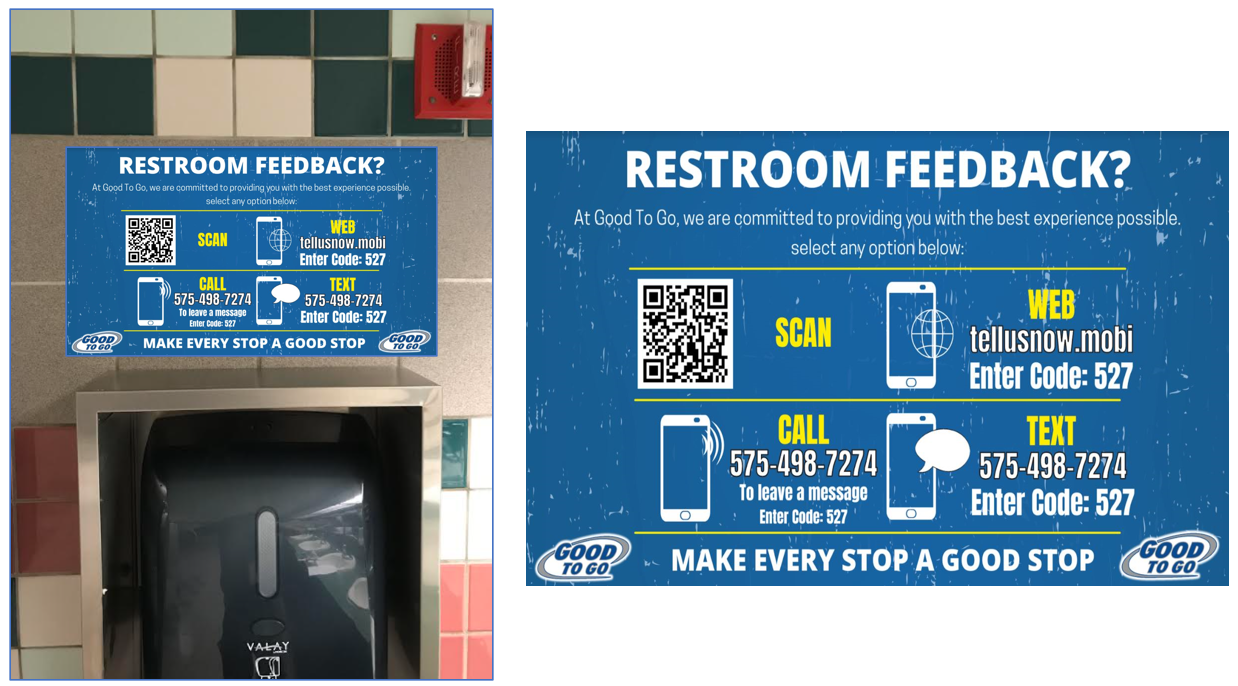
This approach helps you turn customer feedback into social proof rather than social shaming. It boosts operational efficiency and reduces the cost of unplanned deep cleans.
For more on starting a program, see our guide on survey templates or explore real-time restroom feedback systems.
Conclusion: The ROI of Restroom Quality
Treating restaurant restroom quality as a strategic investment is crucial. The long-term benefits outweigh the costs. Smart monitoring and real-time feedback tools lead to savings in labor and supplies while protecting revenue.
Satisfied customers return. A clean restroom is not just a cost center—it is a retention engine.


0 Comments